Airtag
About
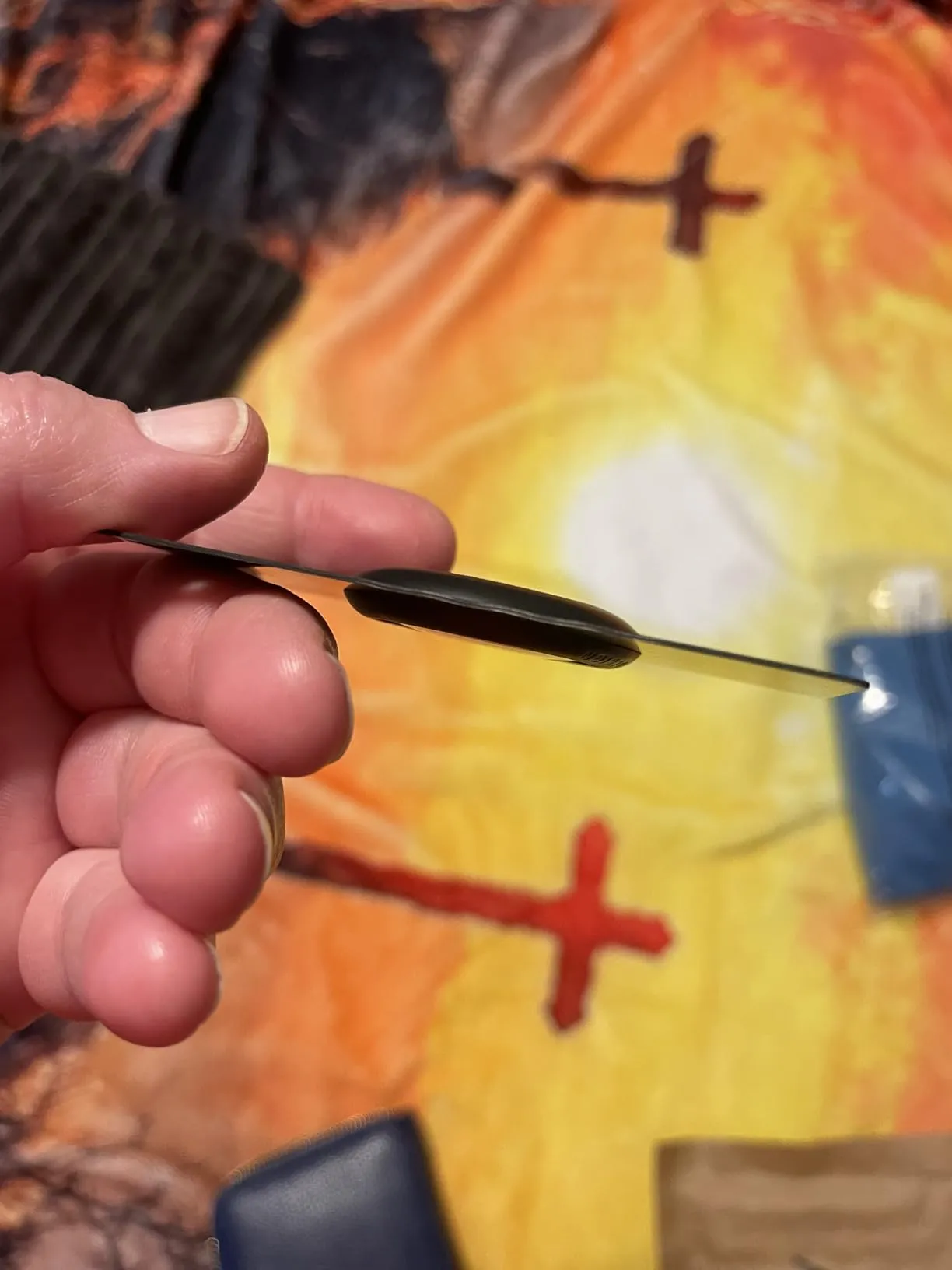
What Apple achieved with the AirTag represents the pursuit of disappearance as a design goal. This diminutive locator disc measures just 31.9mm across and 8mm thick, weighing a mere 11 grams. One face presents mirror-polished stainless steel that catches light and reflects surroundings, while the opposite side offers a smooth white plastic surface that accepts custom engravings. The two halves twist apart to reveal a standard CR2032 battery compartment, making replacement straightforward after roughly a year of continuous use.
The underlying technology draws on Apple's Find My network, leveraging hundreds of millions of devices worldwide to relay encrypted location signals. Ultra-Wideband connectivity through the U1 chip enables Precision Finding on compatible iPhones, guiding users with directional arrows and distance readings when searching within Bluetooth range. An integrated speaker emits tones for audible location assistance, while NFC allows anyone with a smartphone to tap a found AirTag and access owner contact information if Lost Mode is enabled.
Beyond its technical capabilities, the AirTag embodies restraint in physical form. No buttons, no visible seams beyond the battery door, no charging ports. The IP67 water and dust resistance adds resilience without affecting the pebble-like tactility. Whether tucked into a bag pocket, attached to keys via a third-party holder, or slipped inside luggage, the AirTag maintains its presence through absence, tracking belongings without demanding attention or space.