Switch 2
About
Nintendo refined the hybrid console formula with the Switch 2, addressing the original's limitations while preserving the core flexibility that defined the platform. The ability to transition between television play and portable use remains central, but the execution improves across every dimension. The display advances in resolution, color accuracy, and brightness, making handheld gaming viable in outdoor conditions where the previous generation washed out.
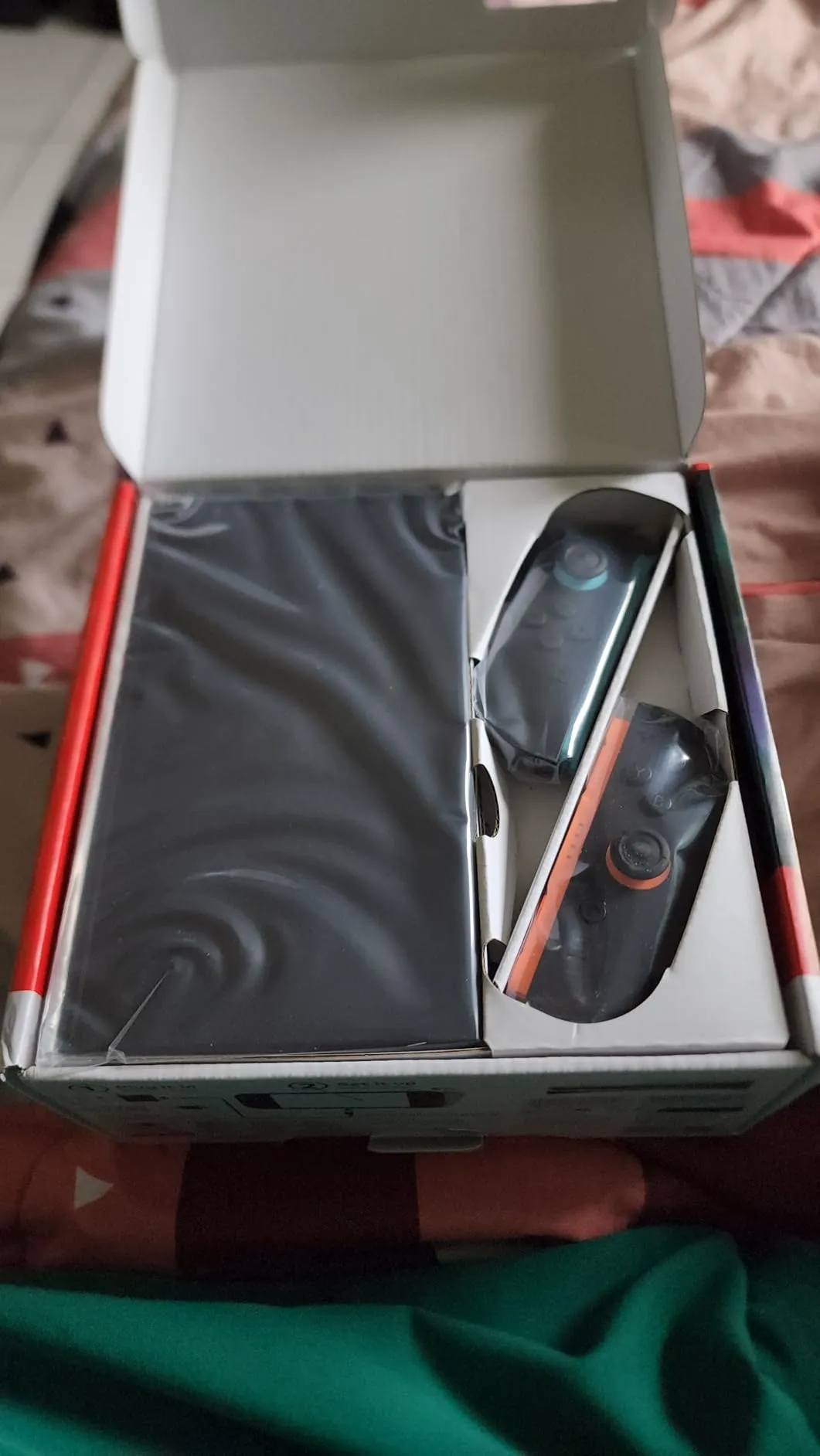
The physical construction feels more substantial in hand, with weight distribution optimized to reduce fatigue during extended portable sessions. Joy-Con controllers attach with improved stability, and the button mechanisms deliver tactile feedback that satisfies without mushiness. The system architecture supports faster game loading and smoother performance, closing the gap between this portable platform and dedicated home consoles.
Nintendo designed the Switch 2 around the understanding that modern gaming happens across contexts: morning commutes, lunch breaks, living room couches, and dedicated gaming setups. The console moves between these situations without requiring different hardware or fragmenting game libraries. Backward compatibility preserves access to the substantial Switch catalog while new titles take advantage of enhanced capabilities.
For anyone who appreciates thoughtful industrial design alongside gaming functionality, the Switch 2 represents hardware engineering in service of user experience rather than specification sheets. The clean lines, balanced proportions, and considered ergonomics reflect Nintendo's historical strength at creating objects that feel right in hand and in home. It continues the company's tradition of prioritizing play above all else.