Designing Design
About
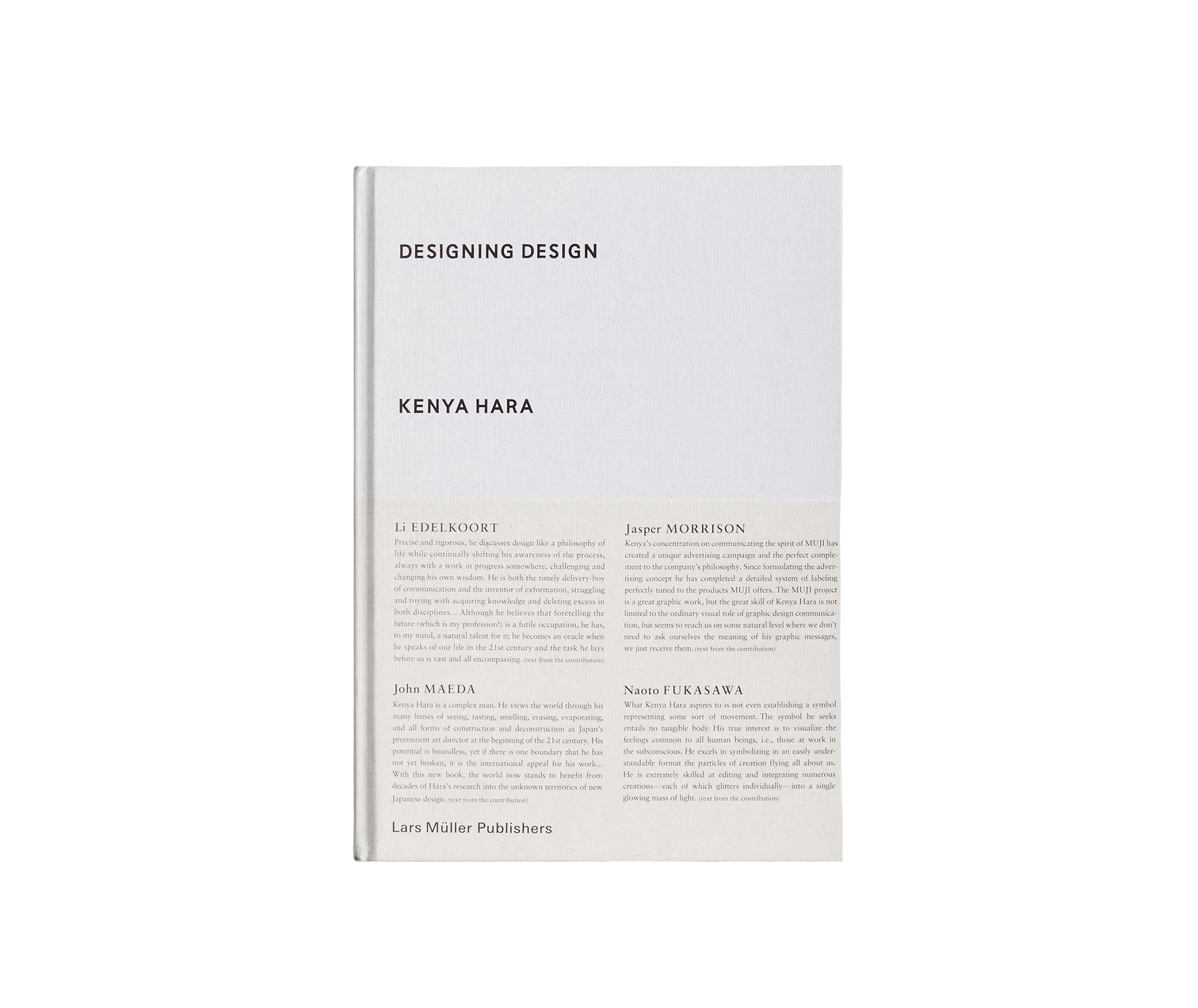
Kenya Hara occupies a particular position in contemporary design discourse, serving as art director for Muji while maintaining an active writing practice that articulates principles underlying his visual work. Designing Design collects and elaborates his thinking on subjects that conventional design education often neglects: emptiness as active element, tactile experience as communication channel, cultural context as design material.
Hara argues that design operates through silence as much as statement. Empty space, he demonstrates through varied examples, carries meaning and guides attention as deliberately as filled areas. This perspective derives partly from Japanese aesthetic traditions but translates into universal principles applicable across cultural contexts.
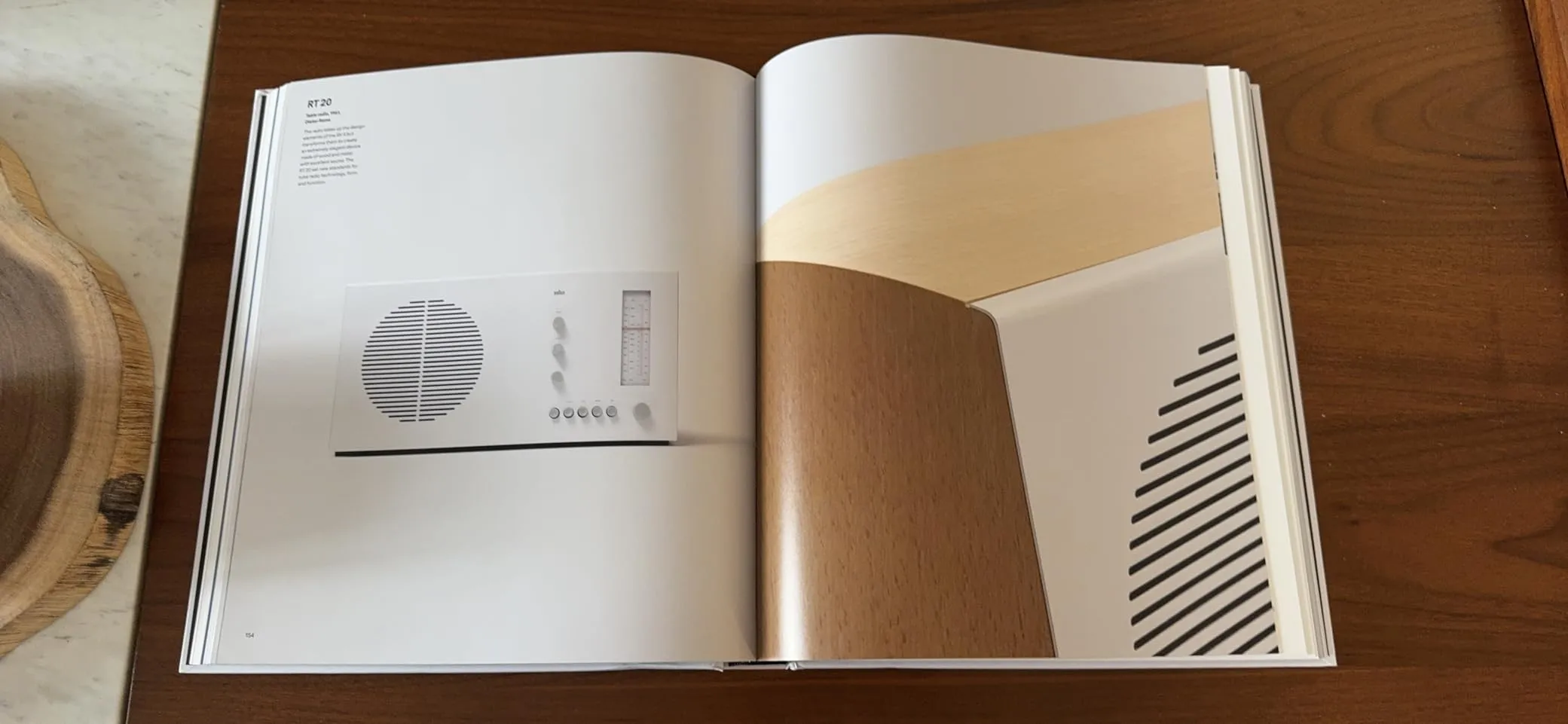
The book structure embodies its content. Page layouts, typography, and image placement receive the same considered attention Hara brings to client projects, transforming the reading experience into practical demonstration. Readers absorb lessons about visual balance and restraint through direct encounter rather than verbal instruction alone.
Examples range from architectural commissions to branding projects to observations about unremarkable everyday objects. Hara finds design significance in rice packaging and hotel amenities alongside canonical works, democratizing the field of study while revealing how design thinking pervades material culture beyond obvious design objects.
The writing avoids prescriptive rules in favor of expanded perception. Readers complete the book seeing differently rather than possessing a checklist of techniques. This approach serves practicing designers, design students, and general readers interested in understanding how visual communication functions in contemporary environments. The book rewards both initial reading and periodic return as perspectives mature.