Nike: Form Follows Motion
About
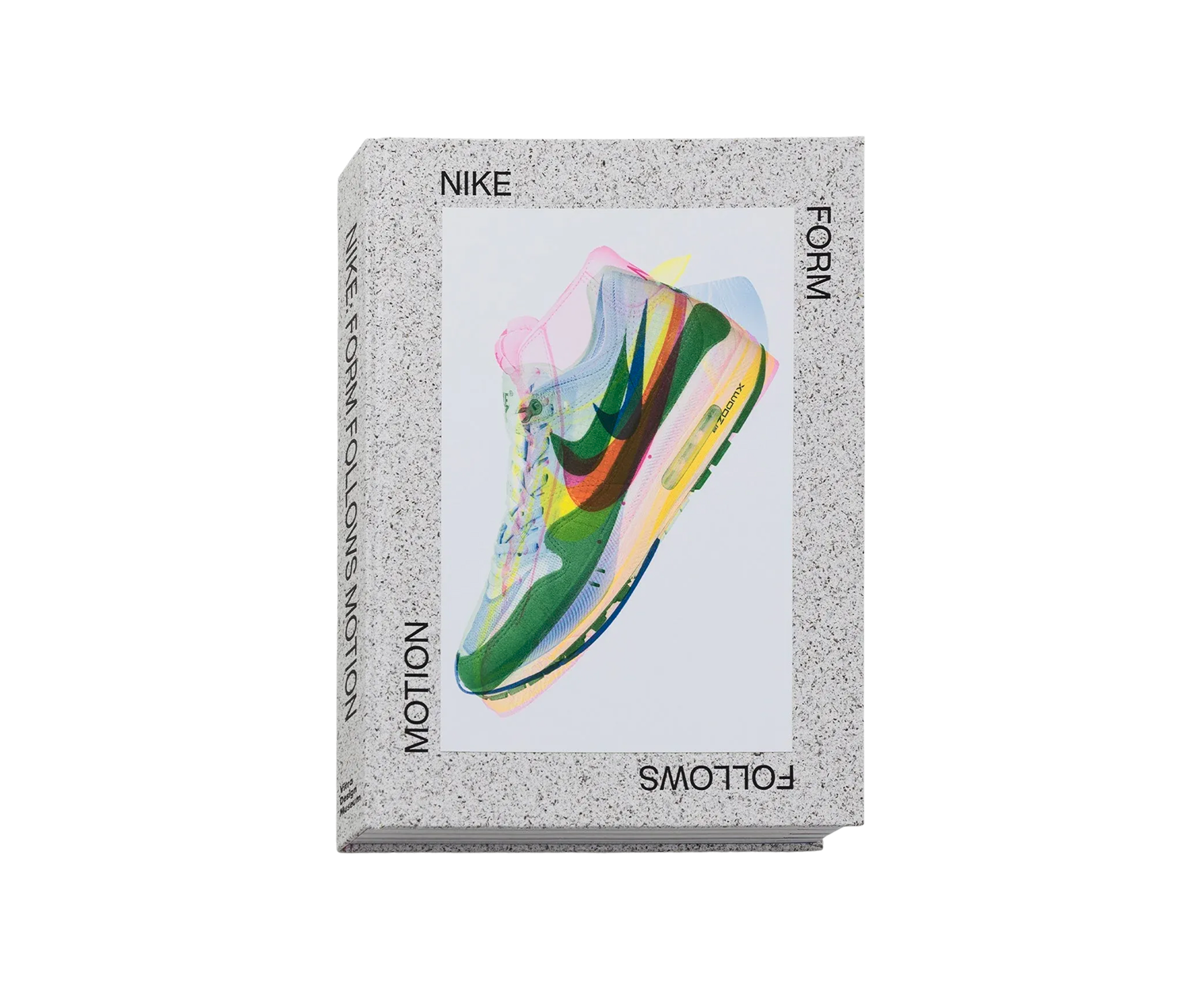
The Vitra Design Museum produced this exhibition catalog to document Nike's evolution from running shoe manufacturer to cultural force over five decades. Editors Mateo Kries and Glenn Adamson assembled archival material, prototype photographs, and analytical essays that trace how athletic performance requirements drove aesthetic innovation, creating visual languages that transcended sports to influence fashion, streetwear, and industrial design broadly.
The hardcover format accommodates detailed imagery of artifacts rarely seen outside Nike's internal archives: early waffle soles, Air unit cross-sections, Flyknit development samples, and concept sketches that reveal the iterative process behind iconic silhouettes. The text examines how constraints like weight reduction, cushioning, and stability translated into distinctive forms, and how those forms acquired cultural meaning far beyond their functional origins.
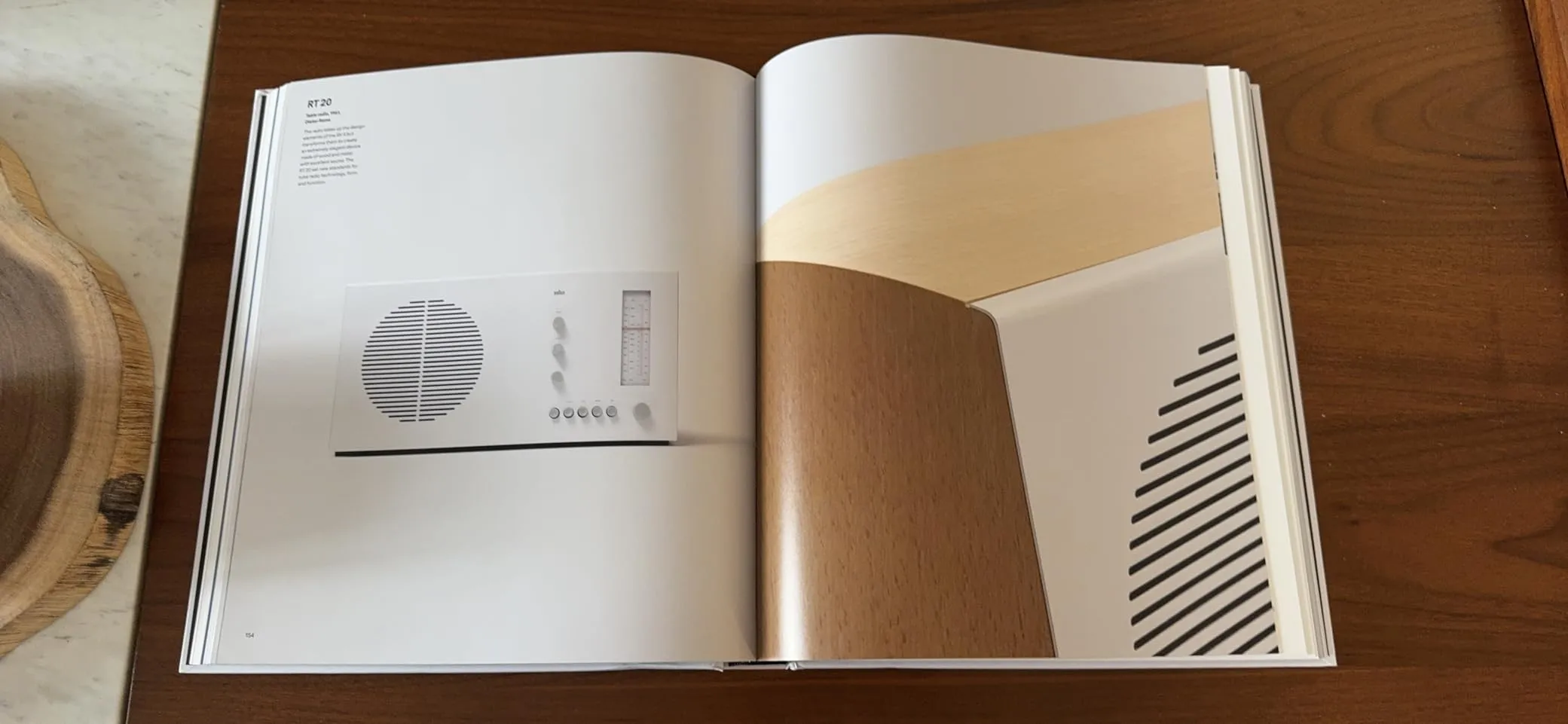
This is not a marketing document but a design history, treating Nike's output with the same analytical rigor applied to furniture manufacturers and consumer electronics companies in previous Vitra publications. The production quality matches museum standards: heavy paper stock, accurate color reproduction, and binding intended for repeated reference rather than single reading.
For designers interested in how commercial products become cultural objects, the book provides substantive case studies across materials, manufacturing processes, and marketing strategies. For sneaker enthusiasts, it offers depth beyond typical brand retrospectives. The volume earns its place in design libraries alongside monographs on Braun, Olivetti, and Apple, recognizing that athletic footwear design has achieved a level of significance worthy of scholarly attention.