Xiaomi SU7
About
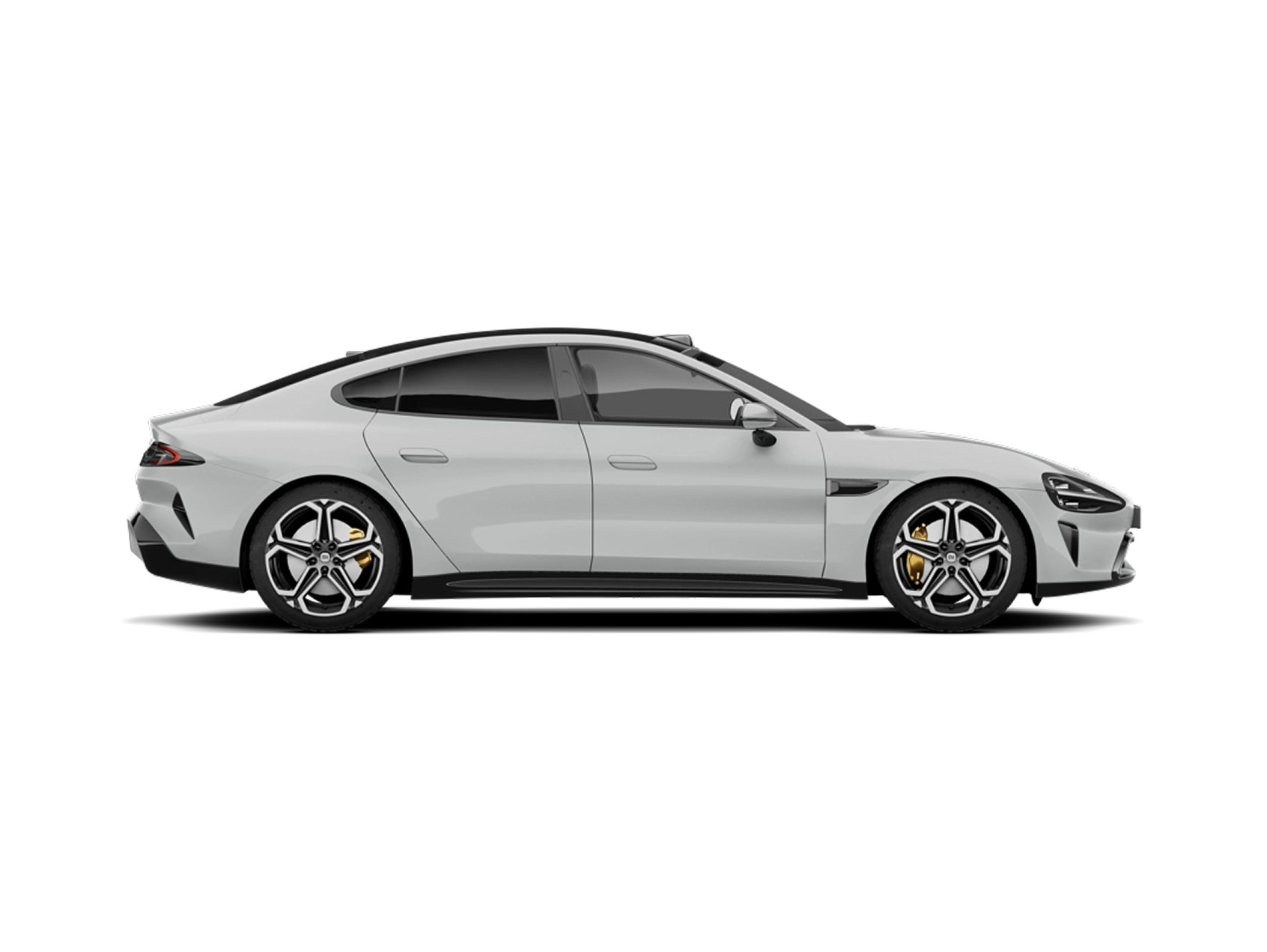
Xiaomi entered automotive manufacturing with this electric sedan, applying consumer electronics design sensibilities to a vehicle category often characterized by conservative styling and incremental evolution. The exterior achieves visual continuity through surfaces that transition without interruption from hood through roofline to the truncated Kamm tail, a aerodynamic treatment that reduces drag while establishing a distinctive silhouette.
Ceramic paint finish in high-gloss formulations provides depth and reflectivity that standard automotive coatings cannot match, though the process demands precision in application and curing that limits production volume. Door handles deploy from flush positions only when needed, preserving surface integrity and reducing drag coefficients when retracted. A continuous LED element spans the front fascia, creating an illuminated signature that identifies the vehicle at distance and in darkness.
The interior translates Xiaomi's software expertise into automotive interface design, with screens and controls that reference smartphone interaction patterns rather than traditional instrument clusters. Integration with the company's broader ecosystem allows device continuity between mobile and automotive environments, maintaining user preferences and information access across contexts.
Powertrain specifications position this sedan for performance applications, with acceleration figures and top speeds that challenge established sports sedan benchmarks. The electric architecture enables packaging flexibility, with passenger and cargo volumes benefiting from the absence of internal combustion components that traditionally consume interior space. This vehicle represents Xiaomi's conviction that automotive design benefits from perspectives shaped outside the industry's established traditions.